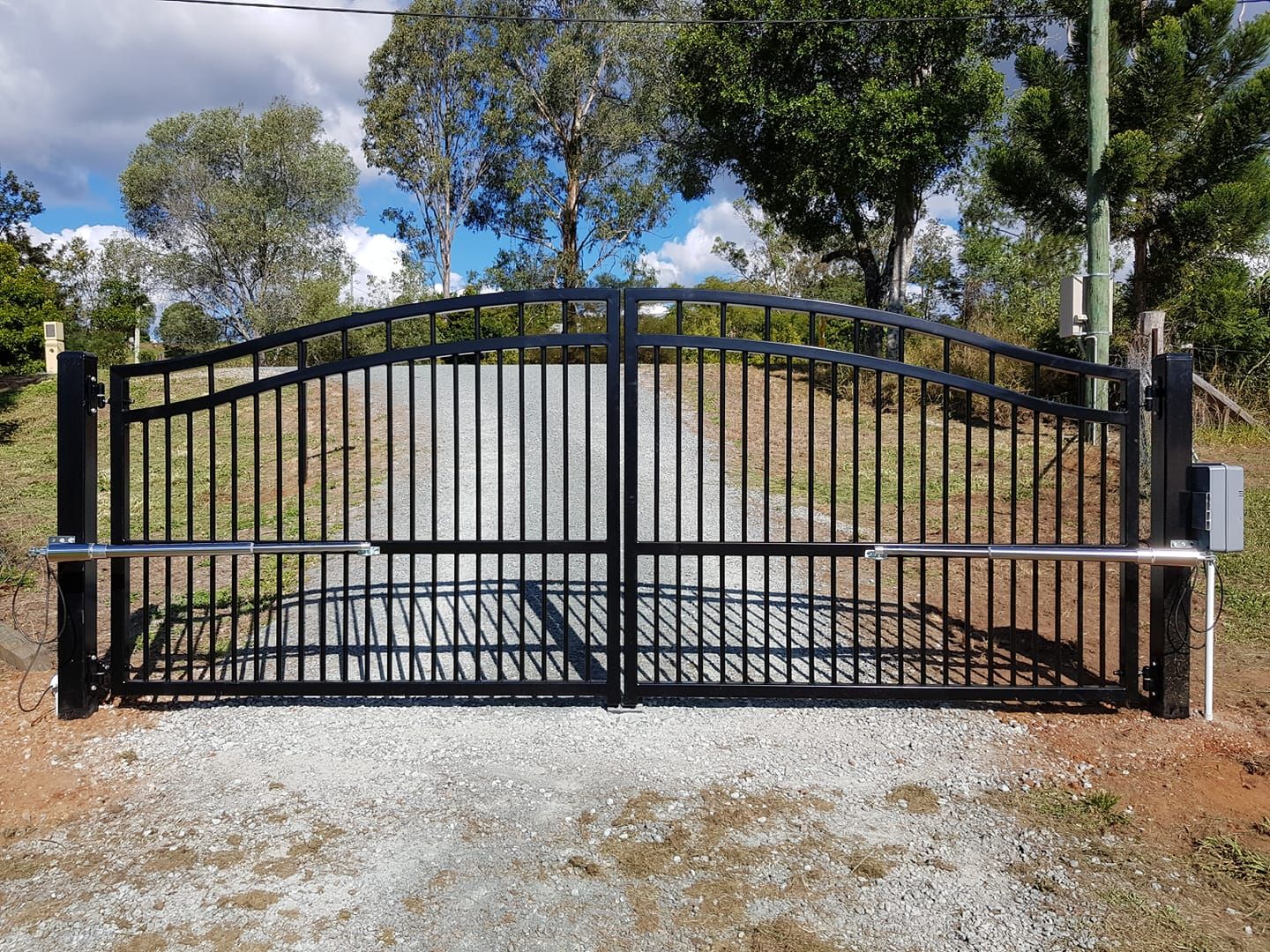
Common Automatic Gate Problems & Troubleshooting Guide (Australia)

Automatic gates are designed for convenience, security, and long-term reliability. However, like any mechanical and electronic system, they can develop faults over time due to weather exposure, wear and tear, electrical issues, or installation problems.

This guide covers the most common automatic gate problems in Australia, how to identify them, and practical troubleshooting steps before calling a technician.
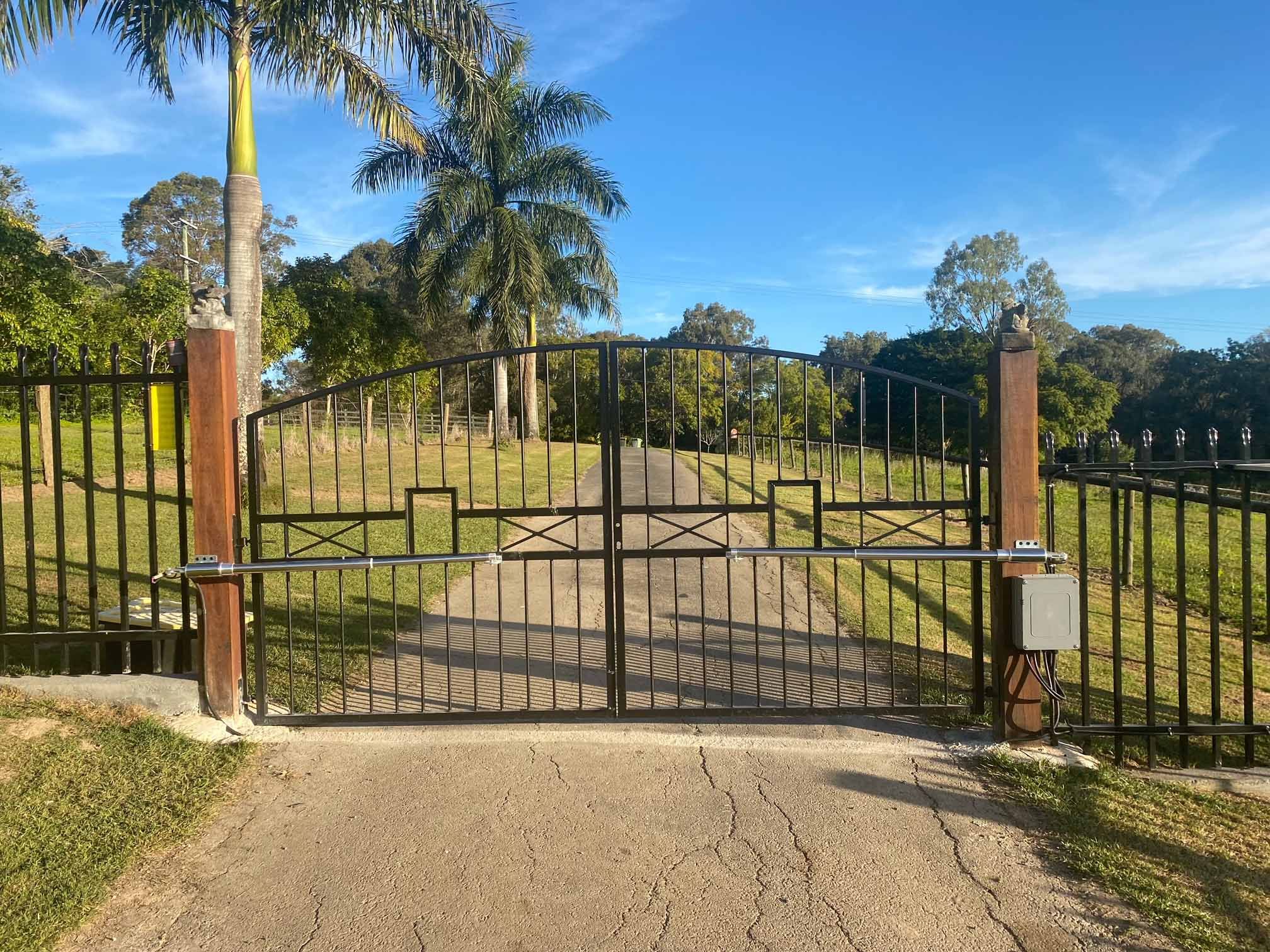
Why Automatic Gates Develop Problems

Most gate issues fall into four main categories:
Possible causes:
  • Electrical faults (power supply, wiring, control boards)
  • Mechanical issues (rollers, hinges, tracks, alignment)
  • Remote or access control failures
  • Faulty control board
  • Environmental damage (rain, heat, dust, corrosion)

Understanding the cause helps you fix issues faster and avoid unnecessary repairs.

Automatic Gate Not Opening or Closing

This is the most common issue homeowners experience.
Possible causes:
  • Flat or disconnected battery
  • Power outage or tripped circuit breaker
  • Faulty remote control
  • Motor failure
  • Control board malfunction
What to check:
  • Ensure power is connected to the gate motor
  • Check if the manual release mode is engaged
  • Replace remote batteries
  • Inspect circuit breaker or isolation switch
When to call a technician:
If power is active but the gate still does not respond, the issue is likely internal (motor or control board).

Gate Stops Halfway or Reverses

A gate that stops mid-cycle or reverses unexpectedly is usually a safety or resistance issue.
Common causes:
  • Obstruction in the track (sliding gates)
  • Misaligned hinges (swing gates)
  • Dirty or blocked safety sensors
  • Incorrect force settings on the motor
Troubleshooting steps:
  • Inspect the full gate path for debris or rocks
  • Clean safety beams and sensors
  • Check gate alignment manually
  • Reset motor limits if recently adjusted

Remote Control Not Working

If your gate responds manually but not via remote, the issue is usually signal-related.
Common causes:
  • Flat remote battery
  • Lost programming (remote de-synced)
  • Signal interference
  • Faulty receiver inside motor unit
Fixes:
  • Replace remote battery first (most common fix)
  • Reprogram remote to the motor
  • Check for nearby electrical interference (LED lighting, Wi-Fi devices)
  • Test backup remote if available

Gate Motor Running but Gate Not Moving

This issue often confuses homeowners because the motor sounds like it is working.
Likely causes:
  • Stripped drive gear
  • Disconnected drive arm or rack
  • Broken coupling inside motor
  • Manual release still engaged
What to do:
  • Check manual release lever is locked back into place
  • Inspect rack and pinion connection (sliding gates)
  • Listen for grinding noises (gear failure indicator)
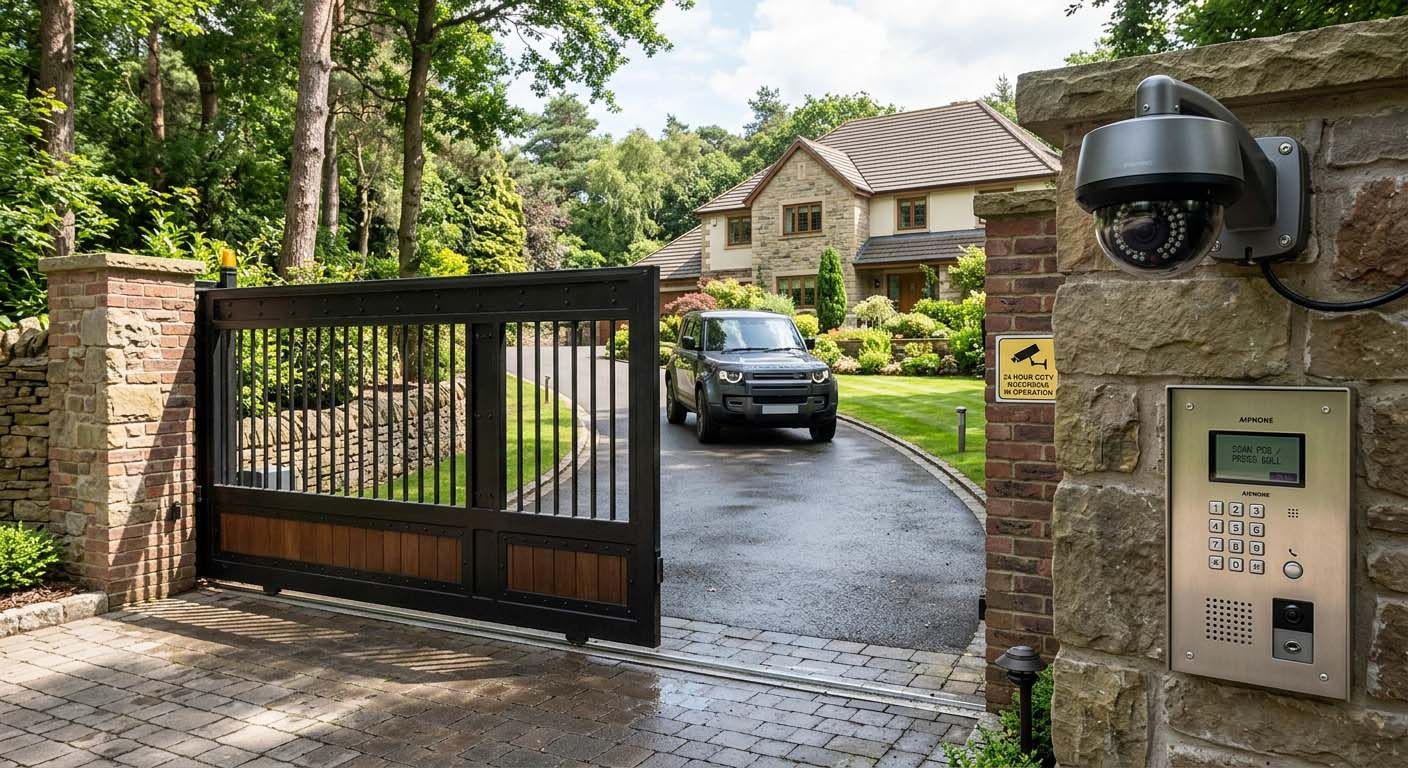
gate automation

Sliding Gate Issues

Sliding gates are more prone to track-related problems.
Common problems:
  • Gate jumping off track
  • Uneven or jerky movement
  • Motor straining or overheating
Causes:
  • Bent or dirty track | debris buildup
  • Worn rollers
  • Misalignment of gate frame
Solution:
  • Clean and straighten track
  • Lubricate rollers (if manufacturer allows)
  • Replace worn wheels or bearings

Swing Gate Problems

Swing gates rely heavily on hinge alignment and ground clearance.
Typical issues:
  • Gate dragging on ground
  • Uneven swing movement
  • Motor straining or stopping
Causes:
  • Loose or sagging hinges
  • Ground movement or shifting posts
  • Incorrect motor arm positioning
gate automation