Types of Gate Automation (Complete Guide for Australian Properties)

Choosing the right type of gate automation is one of the most important decisions when installing an automatic gate. Whether you’re securing a residential driveway, rural property, or commercial site, the type of gate motor you choose will directly impact performance, reliability, cost, and long-term maintenance.

In Australia, conditions like heat, dust, rain, and uneven terrain mean that not all gate automation systems perform equally. Selecting the right setup from the start can save you thousands in repairs and upgrades.

In this guide, we break down the different types of gate automation systems—including swing gate motors, sliding gate automation, and underground operators—so you can confidently choose the best solution for your property.
Gate Automation guide

What Is Gate Automation?

Gate automation refers to the use of electric motors to open and close gates automatically. These systems can be controlled via:
  • Remote controls
  • Keypads
  • Intercom systems
  • Smartphone apps
  • Vehicle detection systems
Automatic gates improve security, convenience, and property value, making them a popular choice for both residential and commercial applications.

The Main Types of Gate Automation Systems

There are two primary types of automated gates:
Each type has multiple motor options depending on your layout, budget, and usage.

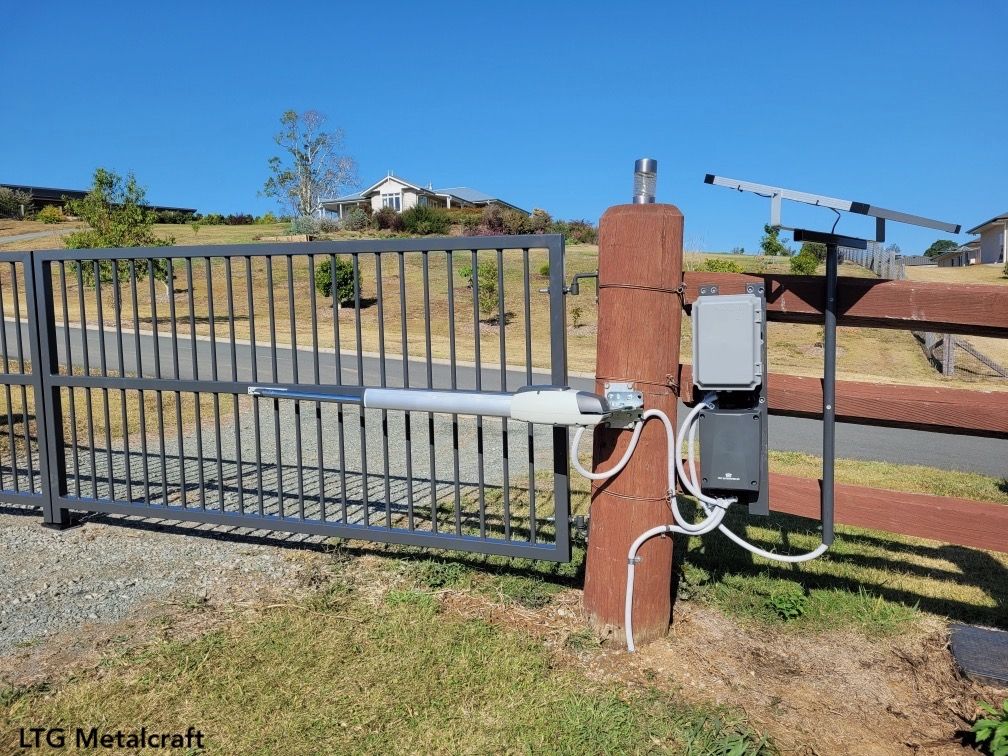
Swing Gate Automation

Swing gates are one of the most common types of automatic gates in Australia. They open inward or outward like a door and are ideal for properties with sufficient space.

There are three main types of swing gate motors:

Articulated Arm Gate Motors

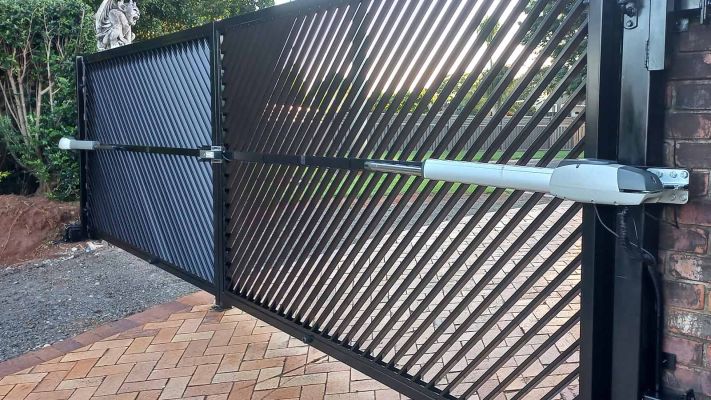
Articulated arm motors use a jointed arm to push and pull the gate open. They are typically mounted on the gate post and are highly versatile.
Best for:
  • Residential properties
  • Brick or large gate posts
  • Retrofit installations
Advantages:
  • Easy to install
  • Works well with wide posts
  • Minimal structural modification required
Limitations:
  • Slightly less powerful than other options
  • Visible motor arm
articulated gate motor

Linear (Ram) Gate Motors

Linear or ram motors use a straight arm that extends and retracts to move the gate. These are one of the most popular and cost-effective solutions.
Best for:
Advantages:
  • Strong and reliable
  • Affordable
  • Clean, simple design
Limitations:
  • Requires proper gate alignment
  • Not ideal for very wide posts
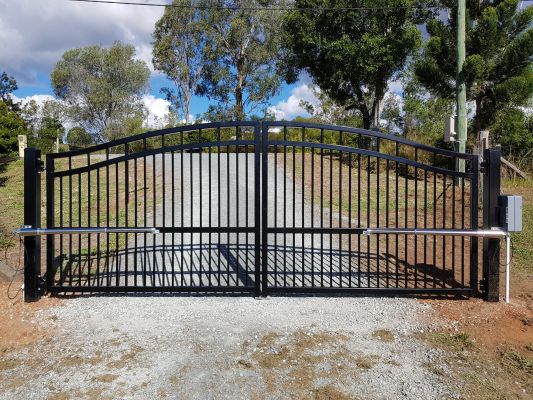
linear gate motor
linear gate motor

Underground Gate Motors

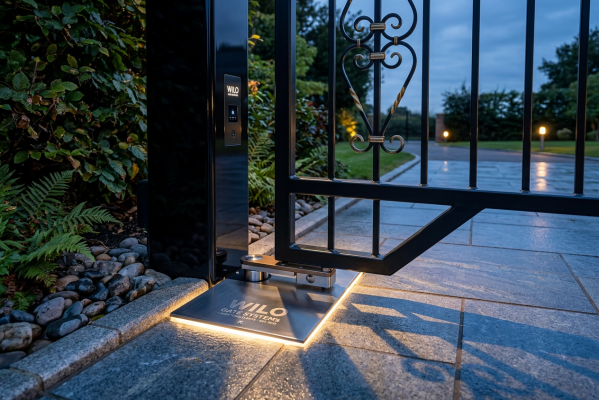
Underground motors are installed below the gate hinge, making them completely hidden from view.
Best for:
  • High-end residential properties
  • Architectural builds
  • Aesthetic-focused installations
Advantages:
  • Completely hidden
  • Premium appearance
  • Quiet operation
Limitations:
articulated gate motor

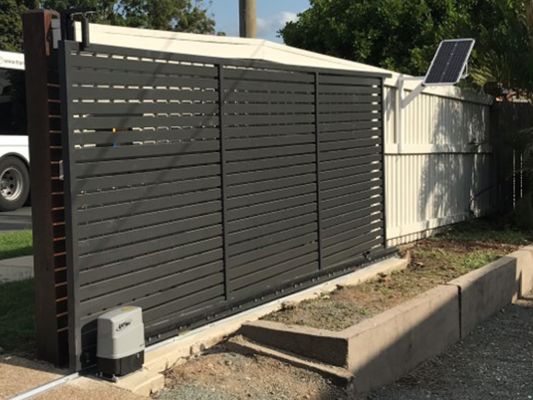
Sliding Gate Automation

Sliding gates move horizontally along a track, making them ideal for properties with limited space or sloped driveways.

Instead of swinging open, the gate slides to one side, powered by a motor connected to a gear rack.

Best for:
  • Narrow driveways
  • Sloped or uneven ground
  • High-security applications
Advantages:
  • Space-efficient
  • Strong and secure
  • Handles heavy gates well
  • Works well in windy areas
Limitations:
  • Requires track installation
  • Slightly higher upfront cost
  • Needs clear space along fence line
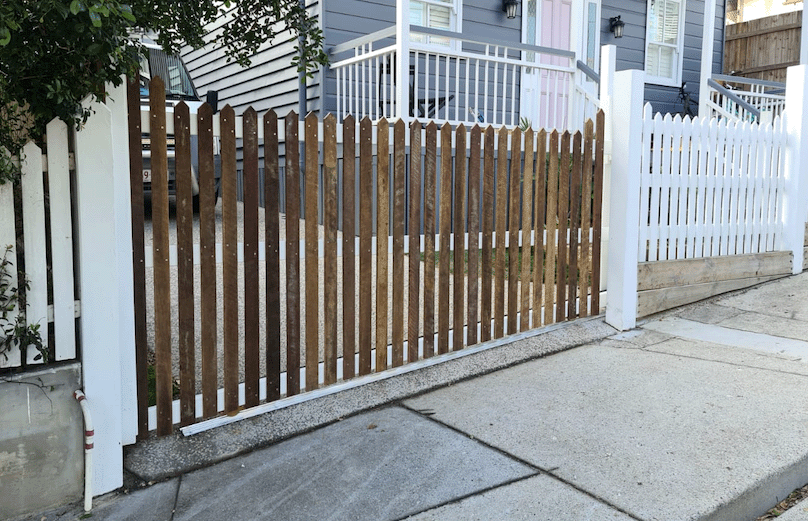
sliding gate automation

Swing vs Sliding Gates – Which Is Better?

Choosing between swing and sliding gate automation depends on your property layout and usage.
Key Differences:
FeatureSwing GatesSliding Gates
Space required
Needs room to swing open
Ideal for tight spaces
Installation cost
Lower
Slightly higher
Best for
Flat, wide driveways
Sloped or narrow sites
Wind resistance
Moderate
High
Security
Good
Excellent
Quick Recommendation:
  • Choose swing gates if you have space and want a cost-effective solution
  • Choose sliding gates if space is limited or security is a priority

How to Choose the Right Gate Automation System

Selecting the right system depends on several key factors:
1. Available Space
  • Wide, flat driveway → Swing gate
  • Tight or sloped driveway → Sliding gate
2. Gate Size and Weight

Heavier gates require more powerful motors. Sliding systems are generally better suited for very heavy gates.

3. Usage Frequency
  • Low use (residential) → Standard swing motor
  • High use (commercial) → Heavy-duty sliding motor
4. Power Availability

If mains power is not available, consider:

  • Solar-powered gate automation systems

These are ideal for rural and farm properties.

5. Aesthetic Preferences
  • Visible motors → Articulated or linear
  • Hidden motors → Underground systems
6. Budget

General cost guide (installed):

  • Linear swing motors → Lower cost
  • Articulated systems → Mid-range
  • Sliding gates → Mid to high
  • Underground motors → Premium

Cost of Gate Automation in Australia

The cost of gate automation varies depending on the system type, gate size, and installation complexity.
Typical Price Ranges:
  • Swing gate automation: $1,500 – $4,500+
  • Sliding gate automation: $2,500 – $6,500+
  • Underground systems: $5,000 – $10,000+
Additional costs may include:
  • Electrical work
  • Intercom systems
  • Safety sensors
  • Remote controls
Investing in a quality system upfront usually reduces long-term maintenance and repair costs.
Common Mistakes to Avoid
Choosing the wrong type of gate automation can lead to ongoing issues. Avoid these common mistakes:
  • Installing a swing gate where space is limited
  • Choosing an underpowered motor
  • Ignoring ground slope and drainage
  • Not planning for future usage increases
  • Skipping professional installation for complex systems
Which Gate Automation Is Right for You?
Here’s a quick guide to help you decide:
  • Small residential driveway: Linear swing motor
  • Wide entrance with large posts: Articulated arm motor
  • High-end home: Underground motor
  • Tight or sloped driveway: Sliding gate automation
  • Farm or rural property: Solar swing gate system
Why Choosing the Right System Matters
The right gate automation system will:
  • Improve daily convenience
  • Increase property security
  • Reduce maintenance issues
  • Extend the lifespan of your gate
The wrong choice can result in:
  • Frequent breakdowns
  • Poor performance
  • Higher long-term costs

FAQs About Gate Automation

What is the best type of gate automation?
The best type depends on your property. Sliding gates are ideal for tight spaces and security, while swing gates are more affordable and suited to wider driveways.
Are sliding gates better than swing gates?
Sliding gates are generally more secure and space-efficient, especially for sloped or narrow properties. However, swing gates are more cost-effective and easier to install.
What is the cheapest gate automation system?
Linear (ram) swing gate motors are typically the most affordable option and are widely used for residential properties.
Can I install gate automation myself?
Some systems are DIY-friendly, but professional installation is recommended for complex setups like sliding gates or underground motors to ensure safety and reliability.
How long do gate motors last?
With proper installation and maintenance, most gate motors last between 10–15 years or more.

Understanding the different types of gate automation is essential for choosing the right system for your property. Whether you need a simple residential setup or a heavy-duty commercial solution, selecting the correct gate motor will ensure reliable performance for years to come.

If you’re unsure which option is best, it’s always worth getting expert advice before making a decision—especially for Australian conditions where durability and reliability matter most.